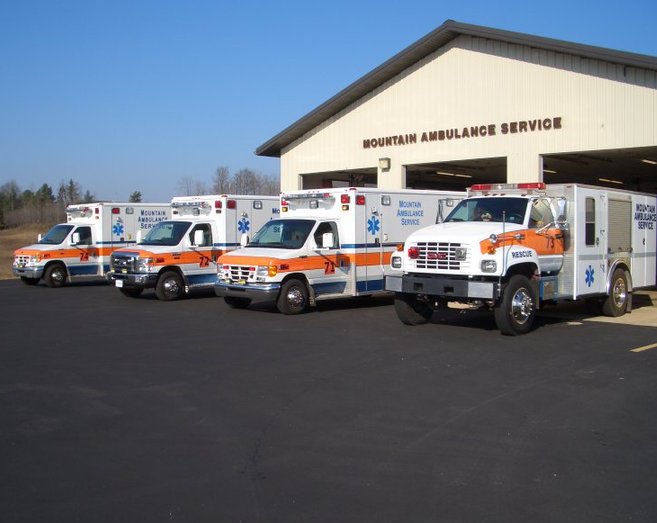
Did You Know?
Vehicle Accidents
Americans and their love affair with the
automobile. Chances are you will see or be involved in a
motor vehicle accident. We call these M.V.A. or
10-50's. The worst we face in the emergency medical
field is to be called out for a 10-50 PI or personal
injury. If you see a M.V.A and it is a PI, would you
know what to do? We sure hope so, but just in case you
are unsure, please read on.
We will take you through a few steps that
just might make a difference.
1.) If you have been in an accident
or see one happen while you are out and about, first and
foremost:
Do Not Make Things Worse.
- If you can safely pass beyond the
accident scene, do so.
- Pull over to the side of the road,
turn on your emergency flashers and leave your parking
lights on to warn other drivers and cars.
- Remember, emergency crews will be
bringing in large pieces of equipment such as ambulances.,
fire trucks and rescue trucks. Some of these may
need to turn around, so park your vehicle accordingly.
- Carefully approach the
accident. Scene safety is an emergency crews first
priority and so should yours. Do not approach if you
see downed electrical wires on the vehicles and warn
others. Be aware of possible fires and other
hazardous materials.
- If you can safely reach the
ignition, turn off all the vehicles involved. Do not
move an injured person to reach the keys.
- This simple act could keep the
situation from becoming worse such as a fire.
2.) Call for help.
Now is the
time to call if no else has done so. 911 is prevalent
through out the nation, but not all areas have it.
If you use a cellular phone, you may reach a neighboring
county. If need be, designate someone to call.
- Be prepared to give an exact
location such as an Interstate, State, County or Township
road number or name.
- Most accidents happen at
intersections, give a crossing road or the nearest one
possible.
- Give the dispatcher the number of
vehicles involved
- Give the dispatcher the number of
people hurt and if possible the extent of their injuries.
- The dispatcher always hangs up
first.
3. Check for injuries.
- Are the victims awake and
responsive? You can do this by simply asking them
their name. If they respond, encourage them not to
move.
- If they are not responsive to
you, check to see if they are breathing. If they are
not breathing, Make Sure breathing
has stopped. Can you hear breathing? Can you see the
chest rise and fall? Can you feel breathing?
- If they are not breathing, the
airway needs to be opened. For many this simple act
will allow the victim to begin breathing on their
own. Gently move the head into its normal "eyes
front" position and lower the jaw.
- Listen for gurgling or
gagging...Both are a sign of a blocked airway. If
you hear either after opening the mouth, gently clear it
of any obstructions.
- If the victim is still not
breathing, begin artificial respiration.
Never move a
victim unless there are life threatening hazards
such as fire or rising water.
Remember -
More would be rescuers die that actual
victims...
|
4. Control Severe Bleeding
- Press firmly against any wounds with
some sort of bandage, preferably a thick pad of clean
cloth or sterile dressing.
- If possible, make sure you wear
rubber or latex gloves. Most first aid kits now come with
these gloves.
- Do not remove any pad or dressing
you have applied. Removing may open the blood clot
and increase blood loss. Always add more pads or
dressing on top of each other.
- Apply continuous pressure and if an
arm or leg, elevate above the level of the heart.
5.) If you have to move
someone...
Gently align the neck and spine. If you are alone,
carefully drag the victim backward by clothes and/or
armpits. DO NOT pull the victim sideways, as
this will aggravate spinal injuries. If you have
help, have one person support the head and neck from
underneath, keeping everything inline with the spine.
Have the others lift from the sides, evenly supporting from
all sides, and gently move. Have everyone work as a
team.
6. SHOCK
Shock occurs when a victim's
circulatory system doesn't provide enough blood to the body
or brain. A person doesn't have to appear
injured to suffer from shock - in fact shock victims
often walk, talk and at first seem merely "shaken up".
There are many causes of shock and have different names, but
all kill. Many times injuries will not kill a victim,
but shock will.
- SIGNS & SYMPTOMS OF
SHOCK
Moist clammy skin, dilated pupils, a
weak and rapid pulse, shivering, thirst, nausea and
vomiting, shallow breathing, weakness, a vacant expression
and a detached attitude.
- TREATMENT FOR SHOCK
Have the victim lie down on a blanket
or other warm area and wrap them up to conserve their body
heat. If the victim is nauseated, have them lie on
their sides. Talk to the victim and reassure them
help is on the way.
This is all a good start, but we cannot
give you all of the necessary information to cover all of the
possibilities. We suggest that you register for basic
first aid classes, CPR training, and if you feel you still
want to learn more, there are more advanced life support
training you can attend such as a 94 hour First Responder
Course or the 212 hour Emergency Medical Technician Course.
Please feel free to contact the Mountain
Ambulance Service, your local Rescue Squad or your local
technical college for more information on these courses in
your area.
Other sources of information include: | National Safety Council | American Trauma Society |
Do you have questions about
joining? We have put together a short FAQ sheet on Joining
and may answer some questions you may have:
New Member FAQ
Join the
Mountain Ambulance Service Today